







Publishing an online course doesn’t guarantee that students will find it. You can have great lessons, professional videos, and a strong curriculum, yet struggle to generate organic traffic if your LMS website isn’t structured for search.
Paid ads are a big part of how most course makers get people to sign up for the first time. Paid campaigns can get a lot of traffic fast, but they get expensive and are hard to keep up with for long. The steady flow of potential students stops as soon as you cut the ad budget. For long-term growth, course creators need a reliable organic discovery engine.
To build an educational platform that can grow over time, you need search engine optimization designed for learning management systems. Search engines don’t look at educational sites the same way they look at blogs or online stores. Your course portal can become a steady source of qualified traffic if you set up your technology in a way that matches clear search intent.
The foundation of educational search engine optimization
Search engines give more weight to material that clearly shows it is authoritative and useful. In the field of education, Search Quality Rating rules place a lot of weight on trustworthiness. Search engines evaluate whether course pages provide useful, trustworthy, and clearly presented information.
Establishing trust and E-E-A-T signals
To build trust, your platform needs to make it clear who is teaching the subject and what students will be able to do after completing the course. Even strong backlinks cannot compensate for vague, thin, or unhelpful course pages.
- Check Course Metadata: Make sure each course landing page has clear prerequisite information, a detailed course outline, and transparent pricing so users can quickly decide whether the program fits their needs.
- Highlight Creator Credentials: Create instructor profile pages that link to external accomplishments, published research, and professional credentials to demonstrate expertise in the field.
- Structure Clear Outcomes: List the specific skills and knowledge students will acquire, because clear, complete content helps both users and search engines understand the value of each educational resource.
Knowing how much it really costs to run a WordPress website helps you plan your infrastructure and put money toward high-impact technical optimization. Getting the right hosting, caching, and performance tools early can reduce the need for expensive technical fixes later.
Aligning platform architecture with search intent
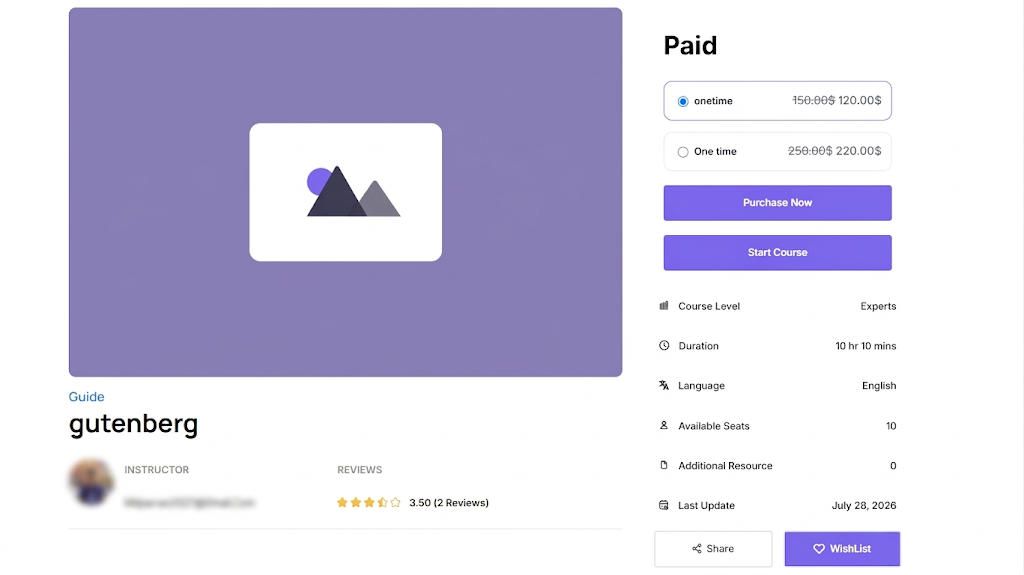
Many course creators make a mistake when they hide their best public-facing information behind paywalls or login pages. Search engines should be able to crawl your category structures, course overviews, and key informational pages, while premium lessons, videos, assessments, and community areas can remain protected.
Structuring your course catalog for crawlers
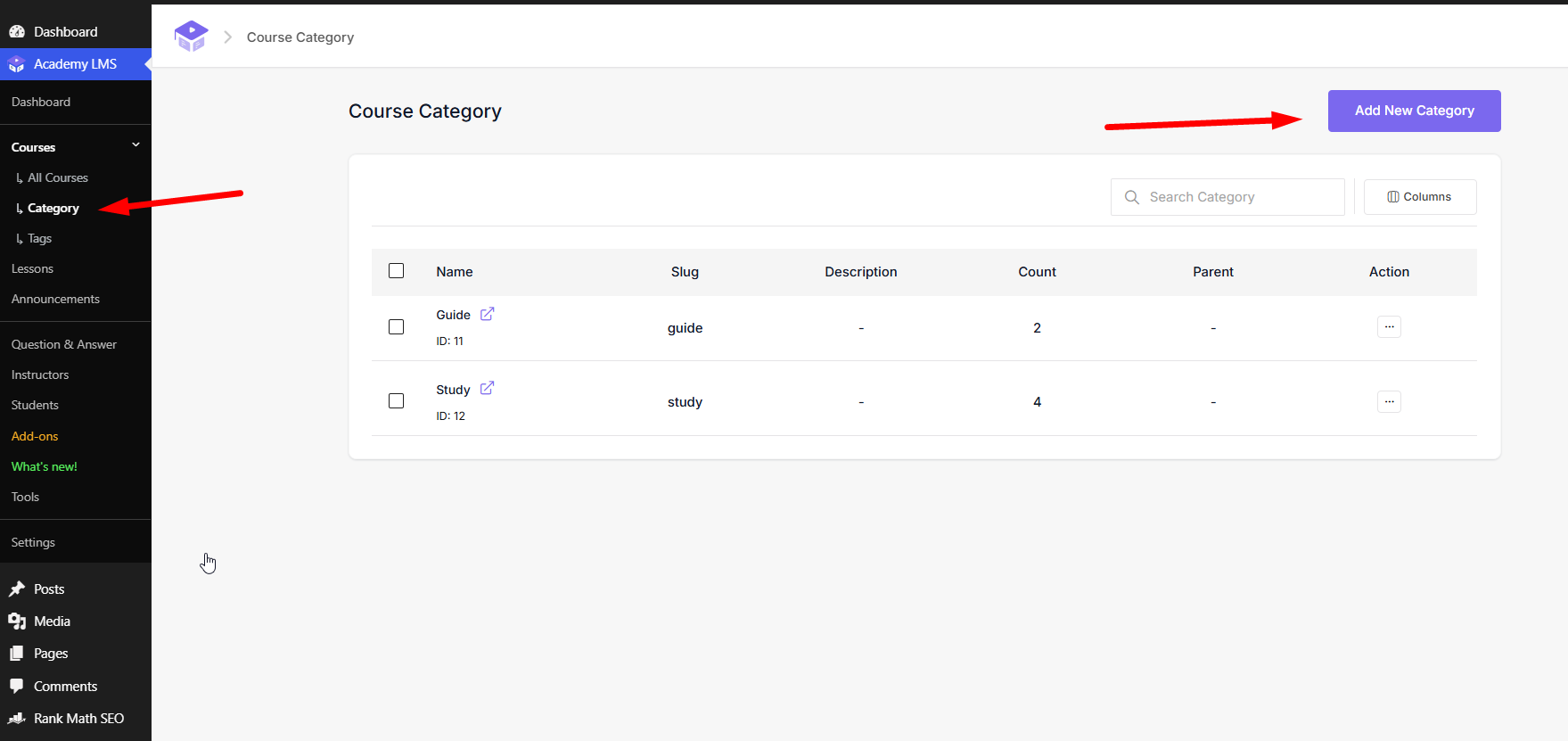
A good site hierarchy works like a map for search engine crawlers and human visitors. Search engines can more easily understand how topics are related when category pages are organized logically.
- Organize Top-Level Categories: Put courses into broad, logical industry verticals that match a lot of informational search queries.
- Create Search-Friendly Subcategories: Break major topics into skill-based niches so search crawlers and users can understand specialized course areas.
- Expose Overview Pages: Make sure course overviews are accessible and indexable, while keeping paid lesson videos and protected materials behind a login or paywall.
If you build your platform on a modern learning management system, your site architecture can stay cleaner, more scalable, and easier for search engine bots to crawl.
Optimizing for modern search engines
When planning keywords for educational platforms, you need to think beyond broad search terms. Prospective students often search with a clear goal in mind; they are usually looking for structured paths, flexible formats, skill levels, timelines, and career outcomes rather than quick answers.
Capturing high-intent student searches
By focusing on long-tail queries, you can reach people who are closer to enrolling. These users often ask specific questions about course length, skill level, pricing, flexibility, certification, and career relevance.
- Focus on Specific Skill Gaps: Create content around specific professional skills instead of relying only on general course titles.
- Look at Past Enrollments: Use analytics data to find out which search terms brought you the most students, and then create more content about those topics.
- Look at Popular Curriculum Lists: To find out what people want to learn and how they search for it, look at carefully chosen resources like the Research.com list of easy online degree programs.
When setting up landing pages for intent-driven searches, make your course pages more useful to potential applicants by emphasizing flexible online learning options, prerequisites, outcomes, and next steps.
Enhancing user experience to drive search visibility
Search engines consider page experience signals, including Core Web Vitals, but not every user-experience metric is a direct ranking factor. If people visit your site and leave because pages are slow, confusing, or hard to use, that still signals a deeper problem: the page is not serving prospective students well.
Connecting UX metrics with ranking signals
This is where carefully designed learner experience becomes an important indirect advantage. Potential students are more likely to stay, compare programs, and continue toward enrollment when your pages are fast, visually clear, and easy to navigate.
- Streamline Mobile Navigation: Make course catalog options easy to browse on mobile devices so people can quickly find relevant programs.
- Optimize Core Web Vitals: Improve loading speed, interactivity, and visual stability by compressing media, reducing unnecessary scripts, and testing performance with real user data.
- Improve Visual Hierarchy: Use clear typography, white space, section headings, and progress markers to help potential students understand the path from interest to enrollment.
By using the best techniques from experienced online teaching, you can ensure that your page’s style is good for both learning and search engine crawlability.
Leveraging data science and audience insights
To understand search trends, you need to look at how user behavior changes over time. Analytics, Search Console data, and learner research can reveal new search patterns before competitors fully respond.
Applying research to technical strategy
A 2026 Pew Research Center study found that 54% of U.S. teens ages 13 to 17 used AI chatbots for schoolwork. That does not prove that all students want AI-driven portals, and it does not include college students, but it does show that digital tools are now part of many teens’ study habits.
- Track Custom Conversion Paths: Set up event tracking in Google Analytics to see how users move from blog posts to course signup pages.
- Analyze Search Console Trends: Use Google Search Console’s Performance report to find queries, pages, impressions, clicks, and average positions. Then improve pages that already have visibility but are not yet earning enough traffic or conversions.
- Optimize for Technical Performance: Make sure your teaching platform stays fast and responsive across device types by using SEO-friendly technology, efficient hosting, and regular performance checks.
When comparing different study paths, monitoring search performance at the course level helps you focus on the strongest topics and improve pages that are underperforming.
Scaling content strategy for long-term growth
Consistent work is needed to keep search traffic growing. By publishing useful blog posts and informational guides, you give potential students who are not ready to enroll right away more ways to discover your school.
Building topic clusters that convert
When you write content that answers common questions in your field, you build topical authority and an internal linking network that supports your main course pages.
- Build Topic Clusters: Group blog posts around each major course topic and link them back to the relevant course landing page to help users and search engines understand the relationship between supporting content and enrollment pages.
- Update Legacy Articles: Regularly update older content with current statistics, examples, and course descriptions so pages remain accurate and useful.
- Choose LMS Tools That Are Flexible: A platform such as Academy LMS may provide a WordPress-based foundation for creating and selling online courses, but you should evaluate any LMS against your needs for performance, content structure, integrations, accessibility, and long-term scalability.
Building a compounding organic discovery engine
When your LMS, course architecture, content strategy, and technical SEO work together, organic traffic can become a long-term acquisition channel rather than a temporary source of visitors. The goal isn’t simply to rank more course pages—it’s to build a website that helps the right learners discover, evaluate, and enroll in your programs.
When you combine strong infrastructure with regular content updates, your educational portal can become less dependent on paid ads and start building a self-sustaining growth engine that attracts, informs, and converts potential students over time.