











Choosing the right platform for your eCommerce business is more crucial than ever in today’s fast-paced digital environment. With increasing competition and rapidly changing trends, selecting a platform that offers flexibility, scalability, and ease of use is vital.
WordPress continues to stand out as a leading choice for building and managing eCommerce websites. Its integration with the WooCommerce plugin makes it an accessible and robust solution for both small businesses and large enterprises.
If you’re wondering is WordPress good for eCommerce in 2025, this guide will provide insights into why it remains a popular option and highlight the latest trends shaping its relevance.
Let’s dive in.
What is WordPress?
WordPress is the most widely used content management system (CMS) globally, powering over 40% of websites on the internet. This open-source platform allows users to create, customize, and manage websites without needing advanced technical expertise.
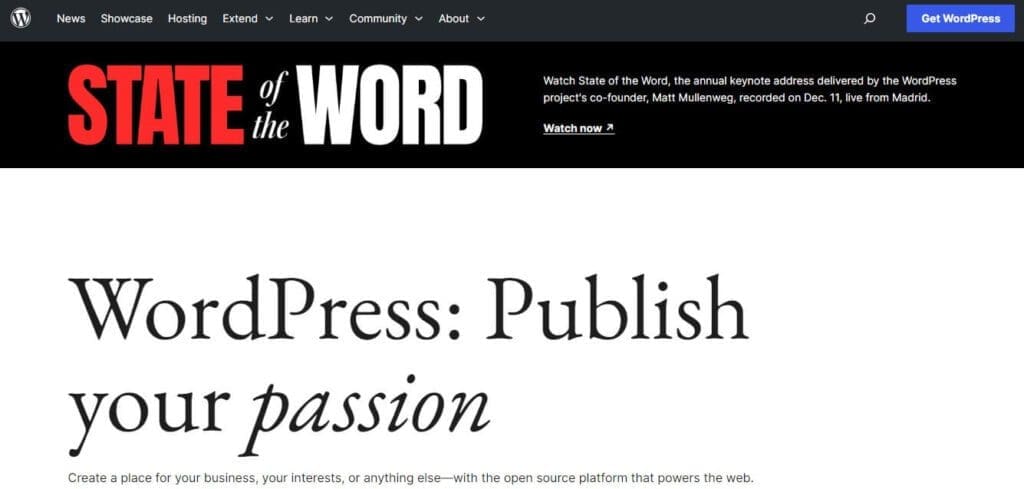
With a variety of plugins, themes, and tools, WordPress caters to various website types, including blogs, portfolios, e-learning platforms, and eCommerce stores.
WordPress Statistics for 2025
As of 2025, WordPress powers approximately 43% of all websites on the internet, making it the most widely used content management system (CMS) globally. This includes a significant portion of eCommerce sites, with WooCommerce being a leading eCommerce plugin.
The global eCommerce market is projected to reach $6.3 trillion by 2025, reflecting a consistent growth trend that underscores the importance of having a robust online presence.
WooCommerce accounts for about 30% of all online stores, indicating its prominence as a preferred platform for eCommerce among WordPress users.
Websites built on WordPress are often better optimized for search engines. According to Yoast, sites using SEO plugins like Yoast SEO can improve their organic traffic by up to 50%, highlighting the effectiveness of WordPress in enhancing visibility.
Mobile commerce is expected to account for 72.9% of total eCommerce sales by 2025, emphasizing the need for responsive design features offered by WordPress themes and plugins.
Studies show that websites with a user-friendly interface can increase conversion rates by up to 200%, which is a strong point in favor of WordPress’s ease of use.
What Is eCommerce?
eCommerce refers to the buying and selling of products or services over the internet. This online business model eliminates the need for physical stores, offering convenience to customers and sellers alike.
With the rise of mobile shopping, digital wallets, and subscription-based models, eCommerce continues to evolve. Platforms like WordPress, Shopify, and BigCommerce make it easy for businesses to tap into this lucrative market.
Through eCommerce websites, individuals can conveniently purchase desired products from the comfort of their homes, eliminating the need for physical stores. Additionally, people can sell their products through these online platforms. In our rapidly evolving world, eCommerce is gaining popularity each day.
Is WordPress Good For eCommerce in 2025?
WordPress remains a top contender for eCommerce, thanks to its adaptability and user-centric features. Here’s why it’s a strong choice in 2025:

1. User-Friendly Interface
WordPress simplifies website creation with its intuitive dashboard. Both beginners and experts find it easy to update, maintain, and manage their websites. The enhanced AI-driven tools introduced in 2025 further streamline tasks like content updates, SEO optimization, and inventory management.
2. WooCommerce for eCommerce
WooCommerce, the flagship eCommerce plugin for WordPress, continues to dominate the market.
Key Features of WooCommerce in 2025:
- AI Integration: Automate tasks like pricing, inventory tracking, and personalized recommendations.
- Subscription Management: Support for subscription-based models, a growing trend in eCommerce.
- Multichannel Selling: Seamless integration with Amazon, eBay, and social media platforms.
- Enhanced Payment Options: Support for cryptocurrency payments and digital wallets like Apple Pay and Google Pay.
WooCommerce also offers a range of extensions, allowing businesses to scale and customize their online stores effortlessly.
3. AI-Powered Features and Automation
In 2025, WordPress and WooCommerce leverage AI to enhance user experiences. From chatbots handling customer queries to predictive analytics for inventory, automation reduces operational costs and improves efficiency.
4. Themes and Plugins
WordPress provides thousands of free and premium themes designed specifically for eCommerce. In 2025, themes are more optimized for mobile-first designs, given Google’s emphasis on mobile usability in rankings.
5. SEO and Core Web Vitals Optimization
SEO remains a critical factor in eCommerce success. WordPress is inherently SEO-friendly, with tools to optimize metadata, improve site speed, and enhance user experience.
With Google’s focus on Core Web Vitals in 2025, WordPress themes and plugins are now optimized to meet these performance metrics, ensuring faster load times and smoother navigation.
6. Affordable Scalability
WordPress is open-source and free, making it a cost-effective solution for businesses of all sizes. While premium themes and plugins incur costs, they remain far more affordable than enterprise solutions like Magento or Salesforce Commerce.
7. Integration with Third-Party Services
WordPress integrates seamlessly with third-party tools for:
- Payment gateways (Stripe, PayPal, crypto wallets).
- Analytics platforms (Google Analytics 4, Hotjar).
- Marketing tools (Mailchimp, HubSpot).
What Are the Drawbacks of Using WordPress for eCommerce?
So, is WordPress good for eCommerce in 2025? Don’t it got any drawbacks? While WordPress is a powerful platform, it’s not without its challenges:
- Security Risks: Poorly coded plugins or outdated themes can introduce vulnerabilities. Regular updates and security plugins mitigate these risks.
- Performance Issues: Overloading your site with plugins can slow it down. Careful optimization is necessary.
- Learning Curve: Beginners may initially find it overwhelming, though resources and communities can help.
Alternatives to WordPress for eCommerce
If WordPress doesn’t meet your needs, consider these alternatives:
- Shopify: Best for ease of use and scalability.
- BigCommerce: Offers advanced features for large stores.
- Magento: Ideal for enterprise-level businesses with a dedicated IT team.
- Wix eCommerce: Good for small businesses seeking simplicity.
- Squarespace: Combines aesthetics with functionality.
Meanwhile, do check out the plugins made by us only for you!
Before we move on, we have an amazing news to share with you. To enhance your eCommerce journey, a New Plugin StoreEngine is Coming Soon. Made by the same Dev team of Academy LMS and aBlocks, it is bound to be another great pick for you.
However, to answer your question “is WordPress good for eCommerce in 2025?”, we think after assessing all the data, WordPress is indeed still the most viable option for eCommerce in 2025.
Final Word
In WordPress, eCommerce is powered by WooCommerce, remains one of the best platforms for eCommerce in 2025. Its flexibility, affordability, and extensive customization options make it ideal for businesses looking to establish or expand their online presence.
However, the choice between WordPress and its alternatives ultimately depends on your business goals, technical expertise, and budget. Consider your requirements carefully to choose the platform that aligns with your needs. So, is WordPress good for eCommerce in 2025? A definitive YES!
If you found this blog helpful, subscribe to our YouTube channel, join our learning community on Facebook, and follow us on Twitter for more insights.
Stay with Academy LMS for expert tips and tools to grow your business online.